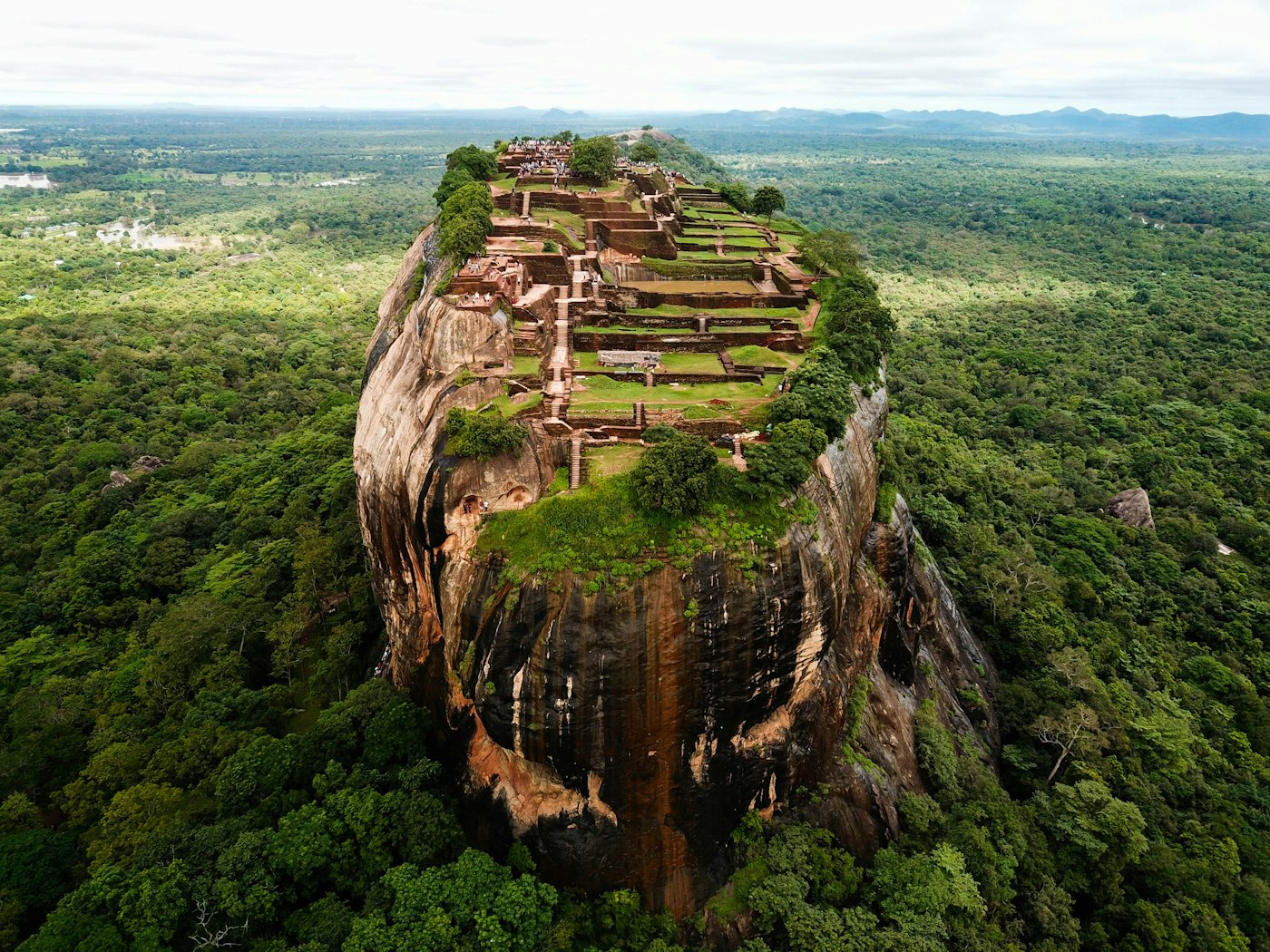
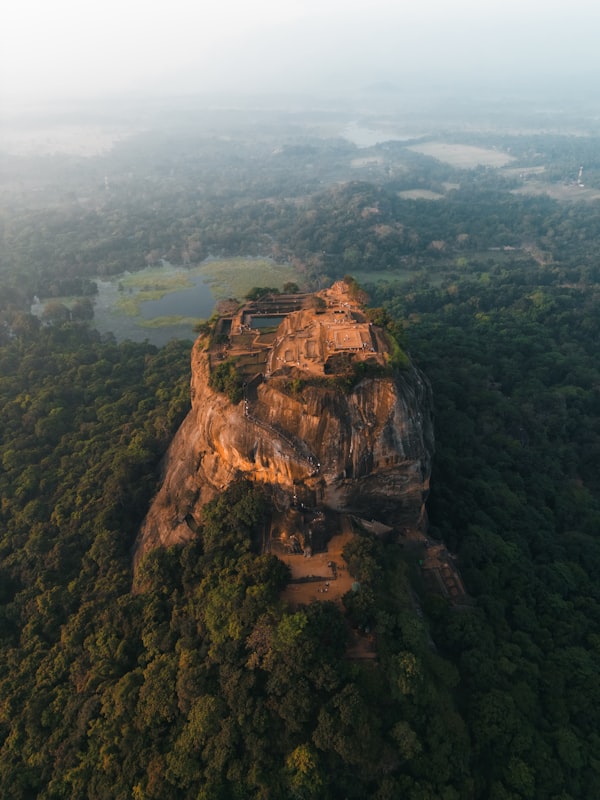
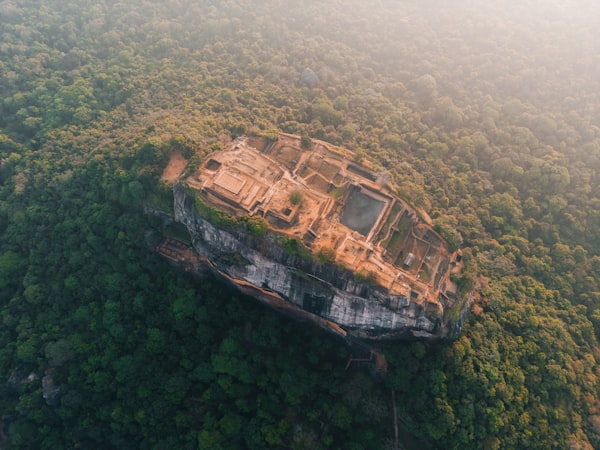
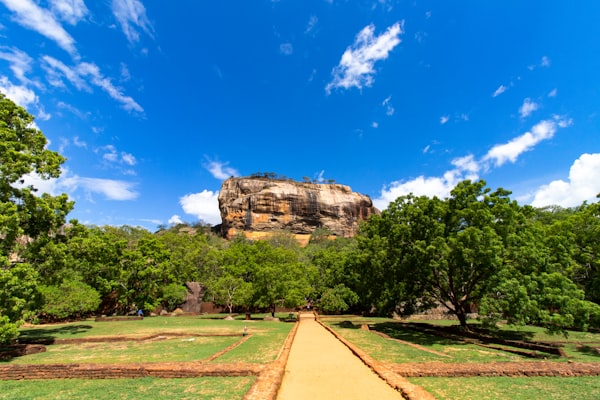
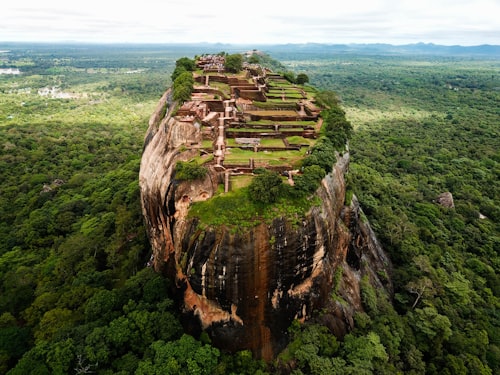
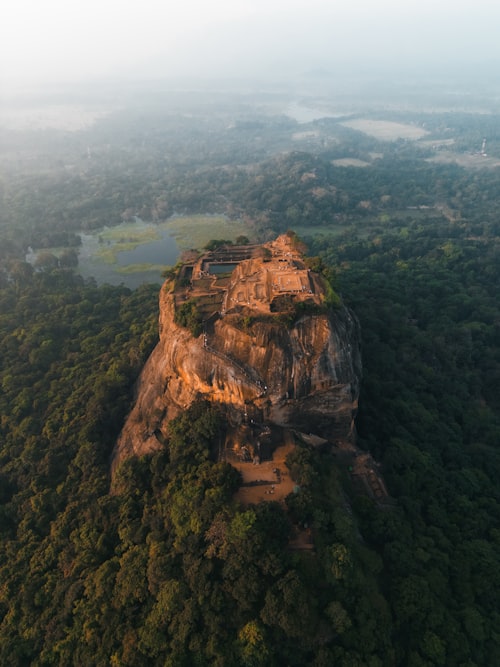
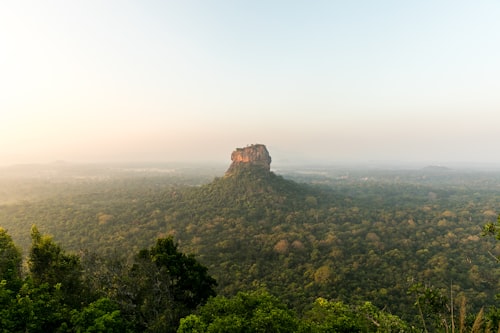
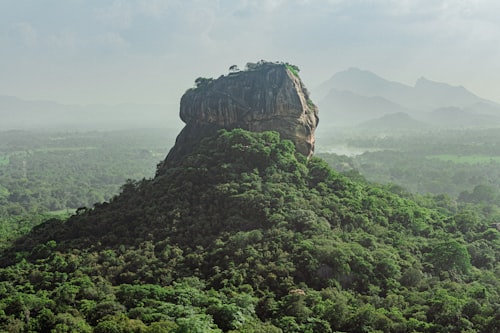
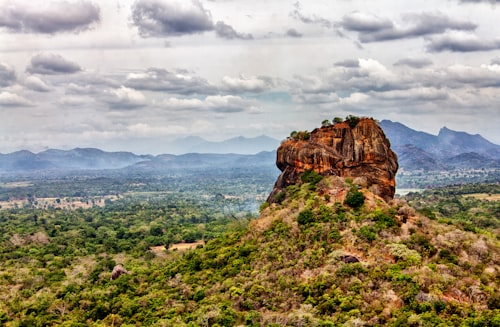
Rising about 180 metres above Sri Lanka's central plains, Sigiriya is an ancient royal city, rock fortress and one of the country's most recognisable landmarks. King Kassapa I established his capital here in the late fifth century, combining a summit palace with landscaped water gardens, defensive walls, frescoes and the monumental Lion Gate. UNESCO inscribed the Ancient City of Sigiriya as a World Heritage Site in 1982.
LocationCentral Province
HeritageUNESCO site since 1982
Visit lengthAllow 2–3 hours
Best startEarly morning
Watch & Discover
Experience Lion Rock
See the scale and beauty of Sigiriya, Sri Lanka’s iconic ancient rock fortress, in this short video.
History of Sigiriya: From Monastery to Royal Citadel
The landscape around Sigiriya was used by Buddhist monastic communities before it became a royal capital. In the late fifth century, King Kassapa I chose the natural rock outcrop as the centre of a new city. The steep-sided formation offered a commanding position, while the surrounding plain allowed planners to create moats, ramparts, gardens and reservoirs on an ambitious scale.
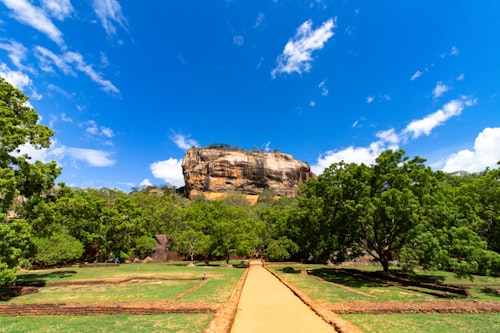
The city was carefully arranged around an east–west axis. Formal water gardens extend from the western entrance, blending pools, islands, fountains and underground hydraulic systems. Boulder gardens and terraced gardens then guide visitors towards the rock itself. After Kassapa's reign ended, Sigiriya again served as a monastic centre before being gradually abandoned.
Today, the site matters for more than its dramatic summit. Its surviving plan reveals sophisticated first-millennium urban design, landscape architecture, water management and art. That combination of natural setting and human ingenuity is central to Sigiriya's international significance.
What to See at Sigiriya
The royal water gardens
The symmetrical gardens near the western entrance are the ideal introduction to the site. Look for geometric pools, channels, island pavilions and stone fountains. Some elements of the ancient water system still respond during the rainy season, demonstrating how carefully water pressure and drainage were engineered.
The boulder and terraced gardens
Beyond the formal pools, pathways wind between enormous natural boulders. Rock shelters, stairways and traces of former structures show how builders adapted the city to the terrain. The higher terraces create a gradual transition from the gardens to the vertical climb.
Sigiriya frescoes and the Mirror Wall
A protected gallery on the rock face contains surviving paintings for which Sigiriya is famous. Nearby, the polished Mirror Wall carries historic visitor inscriptions known as Sigiri graffiti. These writings provide a remarkable record of how earlier travellers responded to the paintings and the site.
The Lion Gate and summit palace
The giant stone paws at the upper terrace mark the remains of a monumental lion-shaped entrance. From here, metal stairways lead towards the summit. At the top are foundations of royal buildings, terraces, water tanks and viewpoints across forest, lakes and distant hills.
Experiences
Things to Do in Sigiriya
Climb the Rock Fortress
Ascend the 1,200 steps to the summit for panoramic views and explore the ancient palace ruins at the top.
Mirror Wall & Frescoes
Marvel at the ancient frescoes of celestial maidens and the polished mirror wall with 1,500-year-old graffiti.
Pidurangala Rock
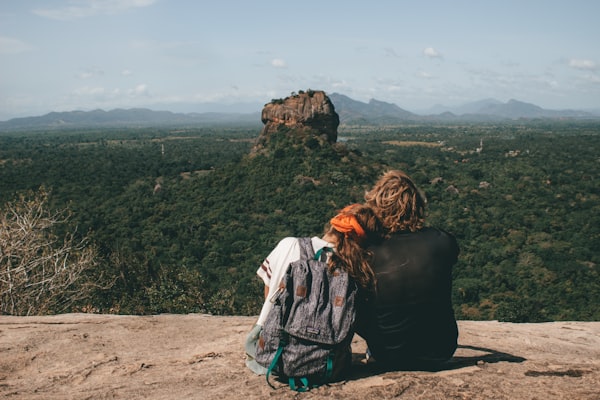
Hike the neighboring Pidurangala Rock for the best panoramic views of Sigiriya without the crowds.
Village Safari
Experience rural Sri Lankan life with a bullock cart ride, catamaran trip, and traditional cooking.
Planning Your Sigiriya Rock Fortress Visit
Best time of day to climb
Starting early is usually the most comfortable option. The air is cooler, the light is gentle and visitor numbers may be lower than later in the day. A late-afternoon visit can also offer beautiful light, but leave enough time to descend before closing. Midday can feel hot because parts of the climb are exposed.
How long does the visit take?
Allow approximately two to three hours for the complete archaeological site. This gives most travellers time to cross the gardens, pause at the main features, reach the summit and return without rushing. Add extra time if you enjoy photography, travel with children or prefer frequent rest stops.
Tickets and opening information
Entrance fees and operating arrangements can change. Check the Central Cultural Fund's official ticket information shortly before your visit. Keep your ticket available throughout the site and follow instructions from the archaeological staff.
Good to know: The summit climb includes many steps, elevated metal walkways and steep sections. Wear secure footwear, carry water, use sun protection and travel light. Visitors affected by heights, heat or limited mobility can still enjoy the lower gardens and archaeological landscape without completing the summit climb.
What to wear and bring
Comfortable walking shoes with reliable grip
Light, breathable clothing and sun protection
Drinking water in a reusable bottle
A compact rain layer during unsettled weather
A secure bag that leaves both hands free on stairways
Photography rules may apply around sensitive paintings and archaeological areas. Avoid flash near historic artwork and follow all signs and staff guidance.
How to reach Sigiriya
Sigiriya lies in the Cultural Triangle, close to Dambulla and within driving distance of Kandy, Polonnaruwa and Anuradhapura. A private vehicle with a local driver is the simplest option for combining the fortress with surrounding heritage sites. Public transport generally requires a connection through Dambulla, followed by a local bus or tuk-tuk.
Places to Visit Near Sigiriya
Pidurangala Rock
Pidurangala is best known for its open view towards Lion Rock. The route is rougher and more hike-like than Sigiriya, with a short scramble near the top. It complements the archaeological experience but does not replace Sigiriya's gardens, art and royal ruins.
Dambulla and the Cultural Triangle
Dambulla is a convenient base for the region and provides access to the wider Cultural Triangle. Travellers can continue to the ancient cities of Polonnaruwa and Anuradhapura, or build Sigiriya into a longer route towards Kandy and Sri Lanka's hill country.
Village and nature experiences
The countryside around Sigiriya includes reservoirs, farming communities and wildlife habitats. Responsible village visits, cycling and guided nature walks can add context to the heritage experience. Choose activities that respect local communities and avoid wildlife encounters based on forced handling or performances.
Frequently Asked Questions About Sigiriya
How long does it take to climb Sigiriya Rock?
Most visitors spend about two to three hours exploring the gardens, frescoes, Lion Gate and summit. Your walking pace, the weather and crowd levels can affect the total time.
What is the best time to visit Sigiriya?
An early-morning visit is normally the most comfortable because temperatures are cooler and the site can be quieter. Always check the weather and official opening information before travelling.
Is Sigiriya suitable for children and older travellers?
Families can visit, but the summit route involves many stairs, exposed walkways and steep sections. Consider each traveller's fitness, mobility and comfort with heights. The lower gardens remain rewarding even without the full climb.
Should I visit Sigiriya or Pidurangala?
Choose Sigiriya for the complete archaeological experience: royal gardens, frescoes, the Lion Gate and summit ruins. Choose Pidurangala for a more rugged hike and a broad view of Lion Rock. If time and fitness permit, the two experiences work well together.
Can Lion Voyages include Sigiriya in a private Sri Lanka tour?
Yes. We can help arrange a personalised route that connects Sigiriya with other Cultural Triangle sites, wildlife, the hill country or the coast. Explore our Sri Lanka packages or customise your itinerary.
Plan Your Trip
Best Time to Visit
January to April offers the driest weather for climbing. Early morning visits (7 AM) avoid both crowds and midday heat. The golden hour before sunset paints the rock in spectacular hues.
Gallery
Sigiriya in Photos
Ready to Explore Sigiriya?
Let Lion Voyages craft a personalized itinerary that includes the best of Sigiriya and beyond. Our local experts know every hidden gem and insider secret.